

Case Studies
Organizations come to us when trust—not technology—is the real barrier to adoption. Using behavioral science and evidence‑driven testing, we uncover the subtle cues, friction points, and interpretation patterns that shape how people judge AI, decide whether it feels safe, and choose to engage or pull back. These case studies show how that approach helps solve complex, high‑stakes challenges across customer trust, loyalty, and real‑world technology adoption.
-

Strengthening Trust in an Autonomous Financial‑Planning Tool
A German financial‑services provider struggled to get customers to trust its autonomous planning tool. By uncovering the psychological barriers behind low delegation, Behavieural designed targeted fixes that sharply increased trust, confidence, and real‑world use.
-
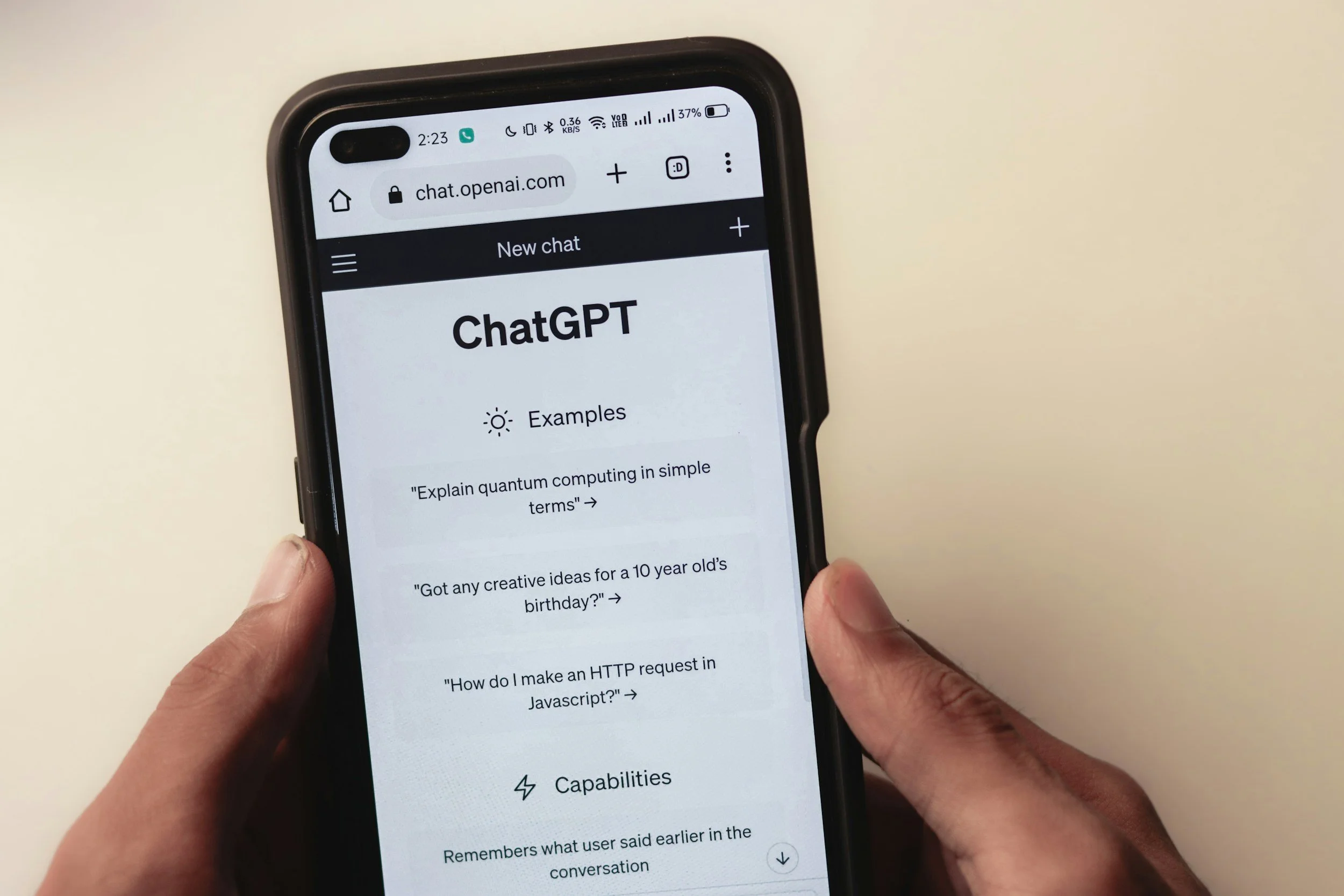
How a Website Chatbot Earned Customer Trust Through Psychological Insight
Understanding the psychology of trust helped a service provider redesign its website chatbot to increase engagement and reduce unnecessary escalations. By clarifying capabilities, reducing ambiguity, and signalling competence, the organization transformed a distrusted tool into a reliable, high‑performing support channel.
-

How Anthropomorphizing Water Reduced Consumption in Melbourne
Giving water human‑like qualities led residents in Melbourne apartment buildings to use noticeably less water, even during peak summer months. By increasing people’s sense of personal control and responsibility, this simple, low‑cost intervention proved more effective than traditional conservation messaging.
-

How Fairer Loyalty Programs Increase Carbon Offset Participation
When loyalty programs feel fair, transparent, and attainable, members are significantly more willing to redeem their points for carbon‑offset initiatives. By strengthening perceived fairness—rather than focusing solely on rewards or convenience—organizations can meaningfully increase participation in sustainability programs.
-

How a Heritage Retail Brand Used Political Ideology Insights to Strengthen Customer Attachment
Understanding political ideology—specifically conservatism’s link to uncertainty avoidance—helped a heritage retailer strengthen brand attachment and reduce price sensitivity. By emphasizing stability and domestic origins, the company activated deeper emotional bonds that translated into higher loyalty and stronger commercial performance.
-

How Behavioral Science Transformed Loyalty Program Data Into Actionable Customer Profiles
The behavioral audit revealed hidden psychological patterns in the loyalty data—showing which customers were truly attached, which were at risk of churn, and which responded to recognition, status, or reduced friction. By redesigning the program around these behavioral profiles, the retailer increased participation, reduced churn, and built a more predictive, resilient loyalty ecosystem.
-

How Psychological Insight Helped a Company Navigate a Product‑Harm Crisis
Understanding customer psychology helped a company respond to a product‑harm crisis with clarity, accountability, and trust‑building communication. By addressing emotional and cognitive drivers—not just technical details—the brand reduced negative sentiment, stabilized loyalty, and recovered faster than expected.
-

Turning Loyalty Data Into Actionable Insight
The coffee chain had years of loyalty data but couldn’t translate it into meaningful action, leaving retention stuck at 41% and reward redemption at just 18%. By reframing the existing data through a human‑decision lens, Behavieural redesigned the experience and lifted retention to 56%, increased repeat visits by 22%, and boosted redemption to 31%.
-

Reducing Member Churn for an Australian Yoga Studio
A yoga studio in Australia struggled with high churn despite strong class satisfaction, losing 38% of new members within two months. By identifying and removing psychological barriers using existing data, Behavieural helped reduce churn to 22% and significantly increase member loyalty and attendance consistency.