
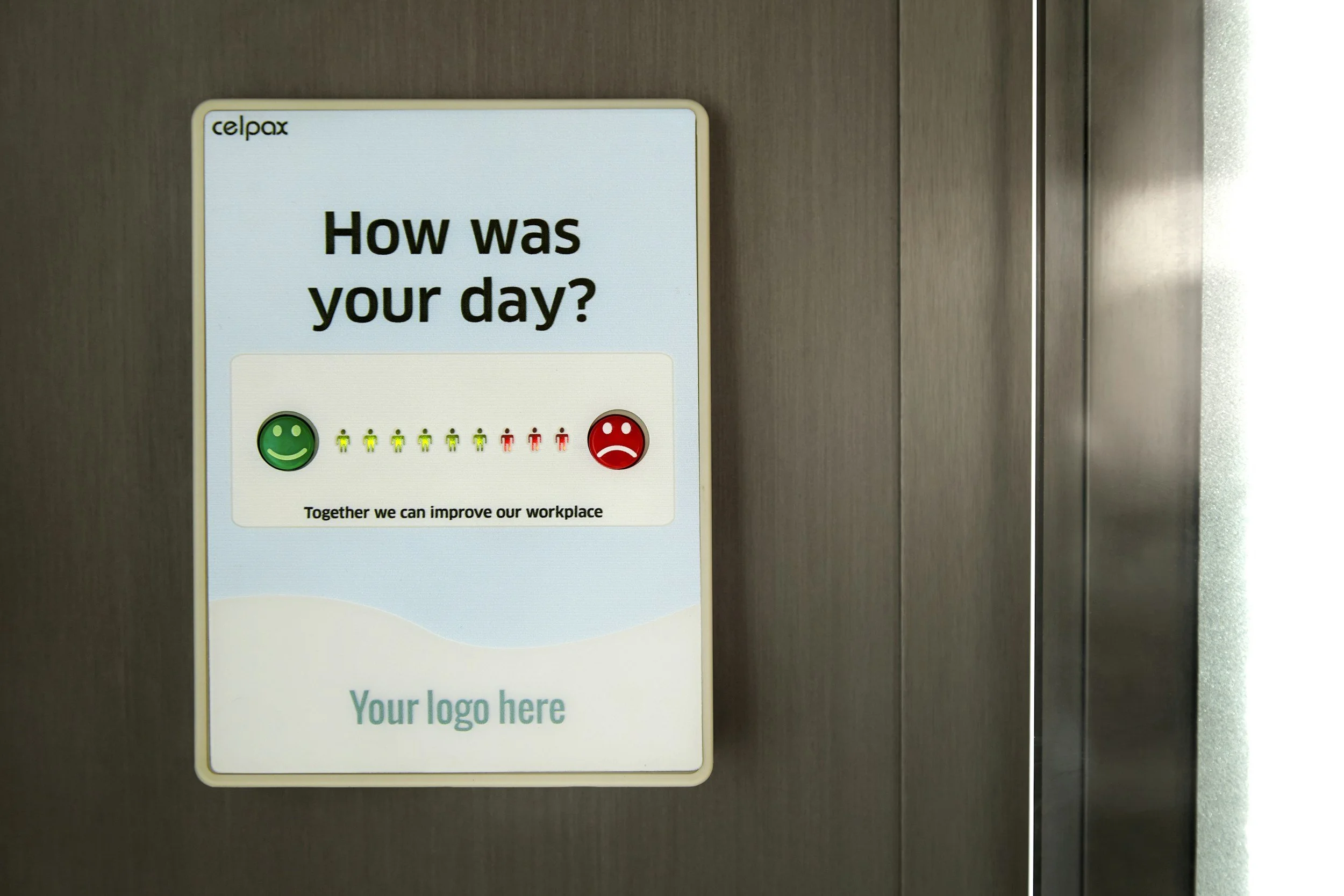
Survey Research
Organizations rely on survey research to understand customers, employees, and stakeholders—but the value of any survey depends on the quality of the data it produces. Behavioral science helps organizations design surveys that account for how people actually think, interpret questions, and make decisions, leading to more accurate and trustworthy insights.
Better decisions begin with trustworthy insights.
Survey responses are influenced by a wide range of psychological factors, including question wording, response order, cognitive effort, social desirability, memory limitations, and survey fatigue. As a result, what people report is not always a perfect reflection of what they believe or how they behave. Behavioral science helps researchers identify and reduce these sources of bias, improving both the reliability and validity of survey findings.
By applying behavioral science to survey design and analysis, organizations can collect data that more accurately reflects the attitudes, perceptions, and behaviors of their target audiences. Better measurement leads to better decisions—whether evaluating customer trust, employee engagement, brand perceptions, AI adoption, or public opinion. Trustworthy insights enable organizations to act with greater confidence and make decisions grounded in how people actually think and behave.
Your questions answered.
-
People do not always answer survey questions in ways that accurately reflect their beliefs or behaviors. Behavioral science helps researchers understand and reduce the psychological biases that influence survey responses.
-
Yes. Behavioral science improves questionnaire design, question wording, response scales, survey flow, and participant engagement, resulting in more reliable and valid data.
-
Behavioral science helps reduce problems such as social desirability bias, acquiescence bias, primacy and recency effects, question-order effects, survey fatigue, recall errors, and satisficing.
-
People often struggle to accurately predict or explain their own future behavior. Behavioral science recognizes the gap between stated intentions and actual behavior, helping researchers interpret findings more effectively.
-
Organizations rely on survey data to make strategic decisions about customers, employees, brands, products, and AI adoption. By improving the quality of behavioral measurement, organizations gain more trustworthy insights and make decisions with greater confidence.
Our engagement offerings.
-
Coming Soon
More details available soon!